



About WASH United
WASH United is a Berlin-based non-profit founded in 2011. Over the years, we have shifted our focus from water, sanitation and hygiene (WASH) to menstrual health and hygiene (MHH) to help address the persisting menstruation-related challenges 500 million women and girls around the world face every month.
Limited access to menstrual products, lack of information, persisting stigma and social exclusion don’t just undermine their health, education and professional opportunities, but cause billions of USD of economic damage for countries around the world.
Our goal is to create a period-friendly world where no woman or girl is held back because of her period.
Our model for collective impact at global scale
This model works. In 2025, Menstrual Hygiene Day, together with over 1,300 partners, generated more than 25,000 pieces of media coverage and reached close to one billion people around the world. Our educational solutions are used by over 700 partners in more than 50 countries who have educated more than 3.1 million girls about periods since 2018.
In addition, we engage in strategic advocacy throughout the year to increase the political relevance of MHH and mobilise more funding for the issue.


Menstrual Hygiene Day
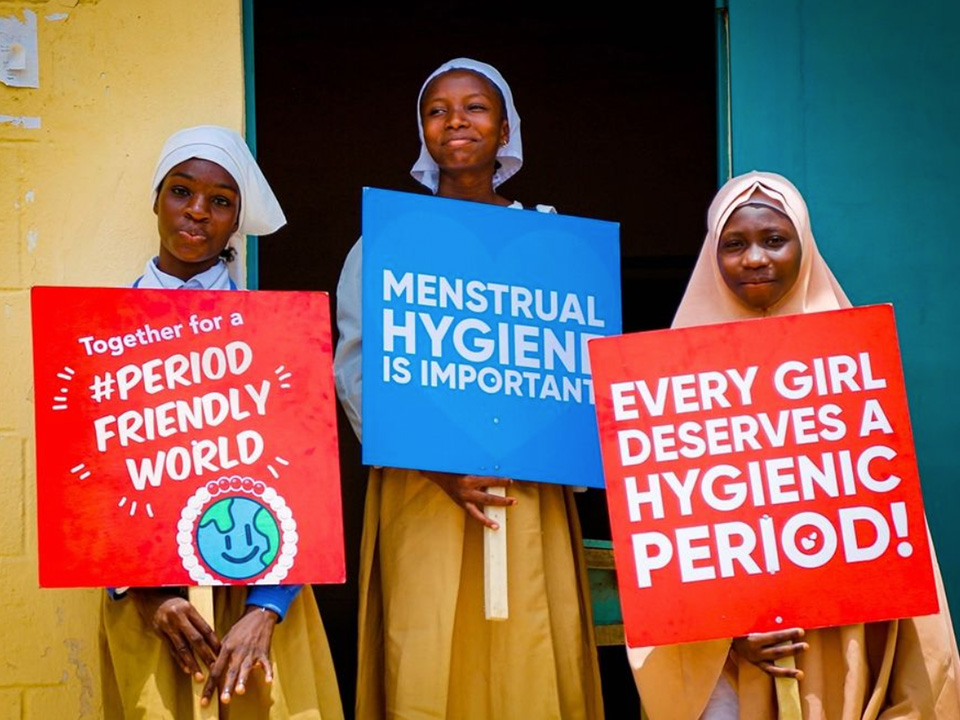
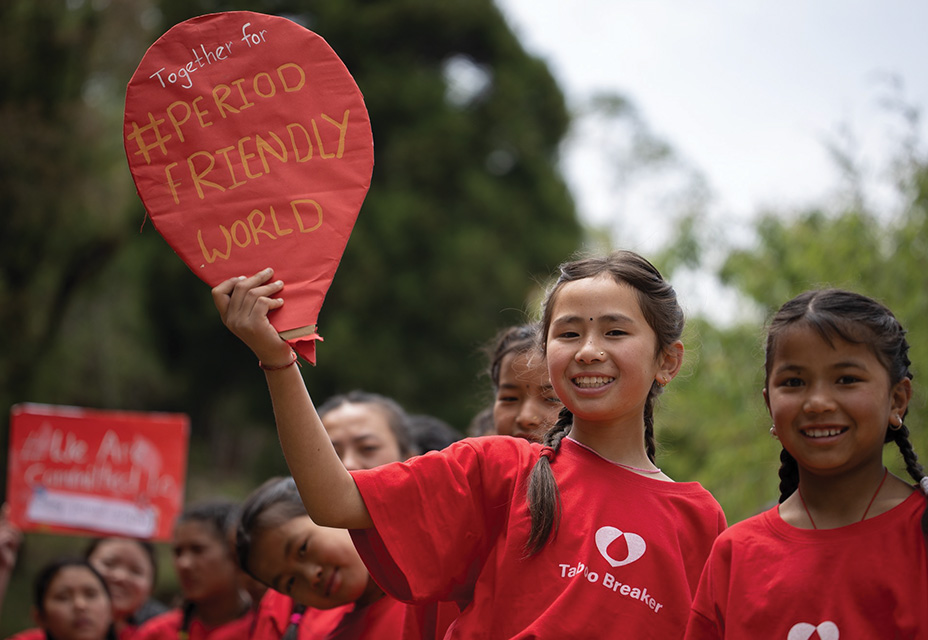
Together for a period-friendly world
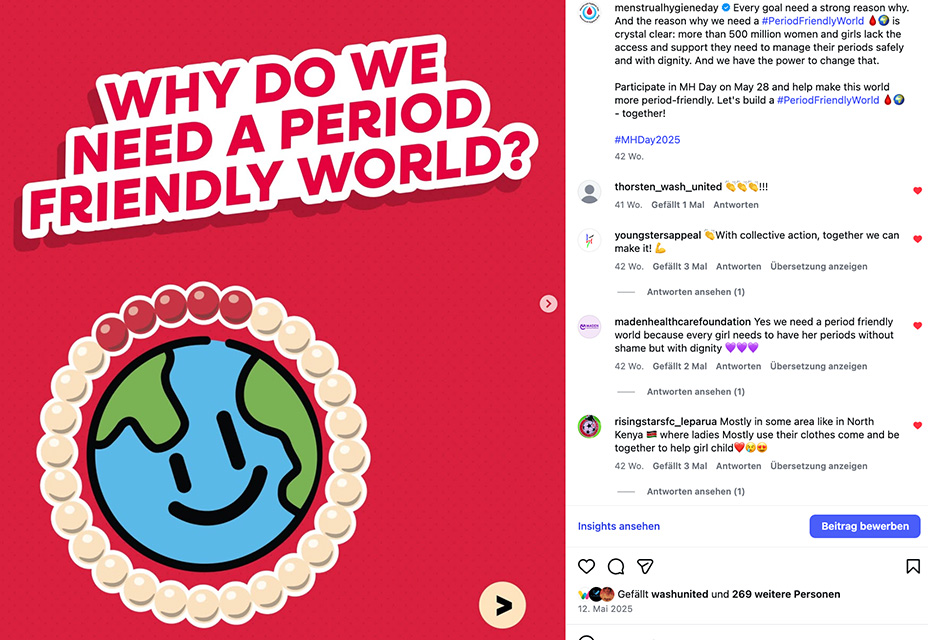
Due to taboos and stigma, MHH continues to be neglected at all levels. That’s why in 2014, WASH United initiated the Menstrual Hygiene Day (MH Day) campaign to raise awareness and catalyse action on the issue. Celebrated annually on 28 May, MH Day has since grown into a global movement working together for a period-friendly world. WASH United develops the campaign strategy, provides free campaign materials, offers capacity-building, tracks results, and engages key actors, incl. UNICEF, the Worldbank, governments, and NGOs.
MH Day in numbers

1,350
MH Day partners globally

> 25,000
pieces of media coverage during MH Day 2025

971 million
people reached globally during MH Day 2025 – that’s 1/8th of the world’s population

Period Education Worldwide
Enabling Period Education across the world
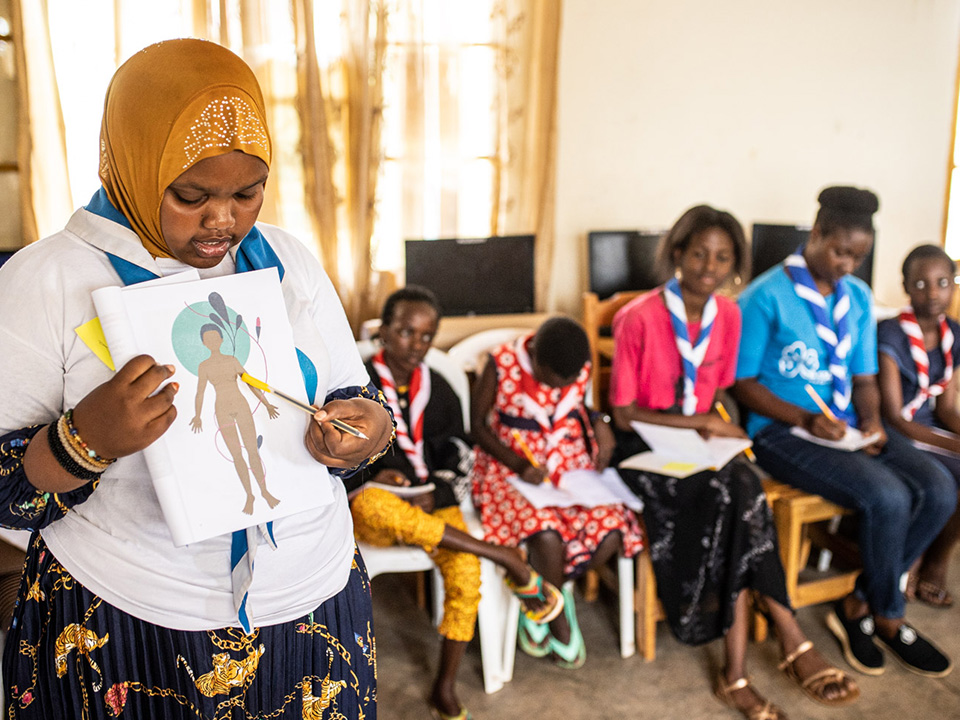
Our Education Guide enables organisations around the world to deliver a group-based training on periods. The training provides girls with essential knowledge about their bodies, strengthens their confidence, and creates a sense of community among participants. It can seamlessly be integrated into a wide range of programmes. The Guide is available in more than 30 language and regional versions.
The Period Education Guide is now available on the new yes.period platform - together with guides to educate boys and cargeivers about periods.
Are you already using the WASH United Period Education Guide? Find out more what the new yes.period platform means for you.


Global period education in numbers

> 700
implementing organisations
> 50
countries
> 3.1 million
girls educated since 2018
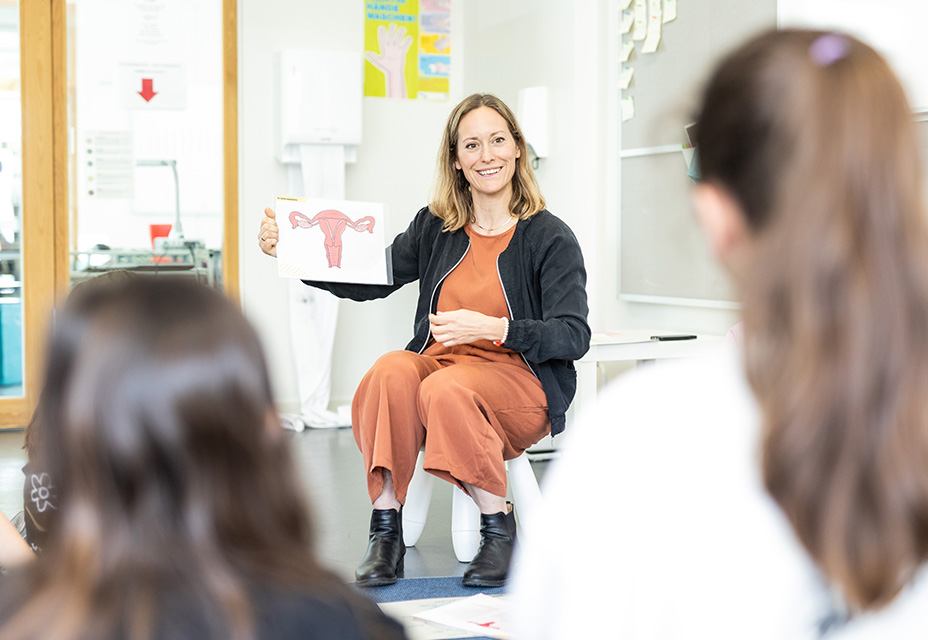
Period Education Germany
Providing schools with easy-to-use solutions for girls and boys
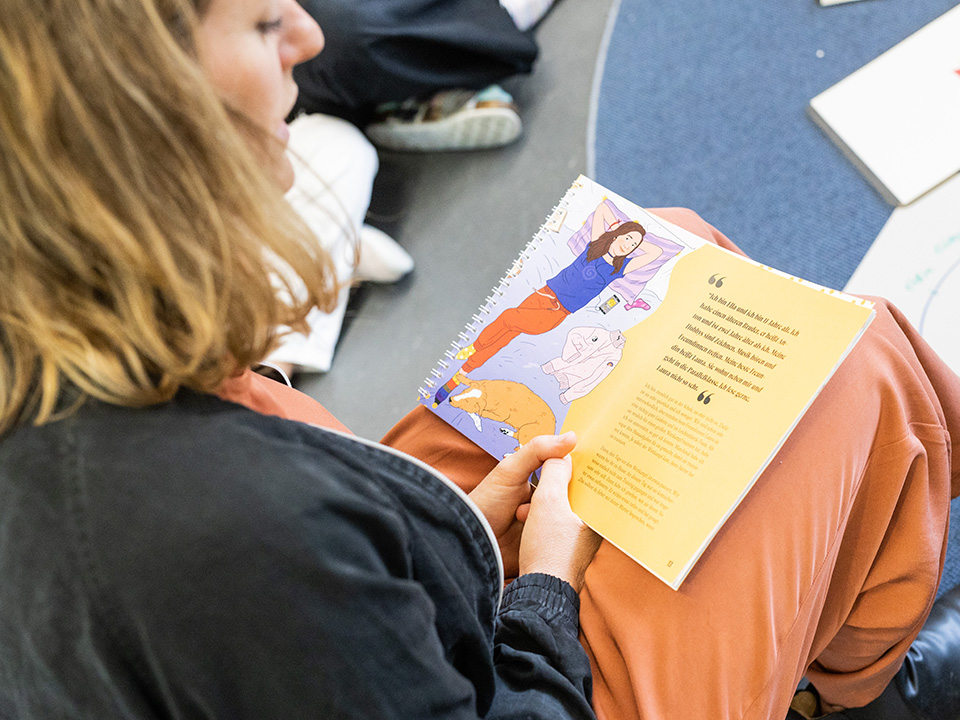
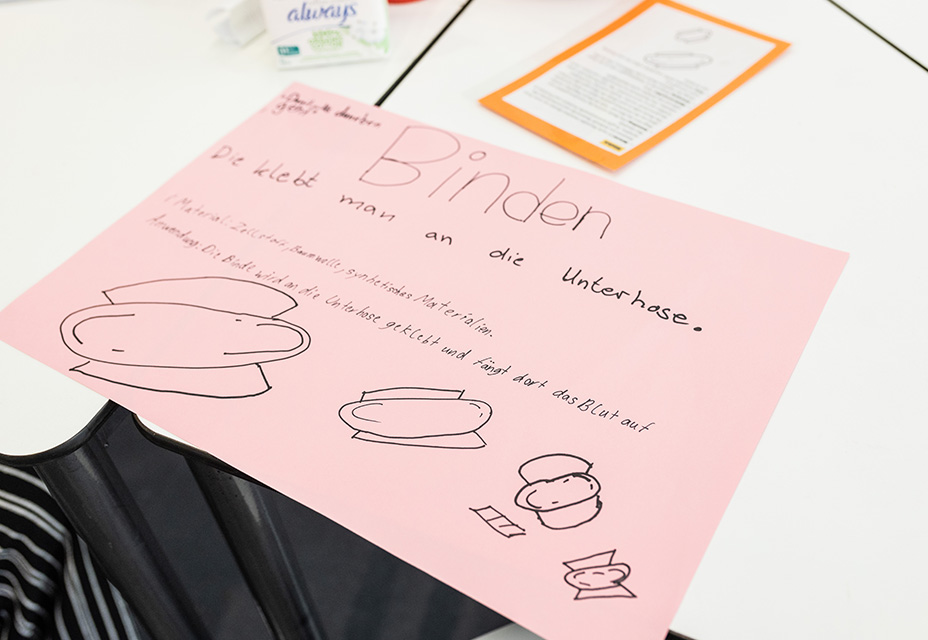
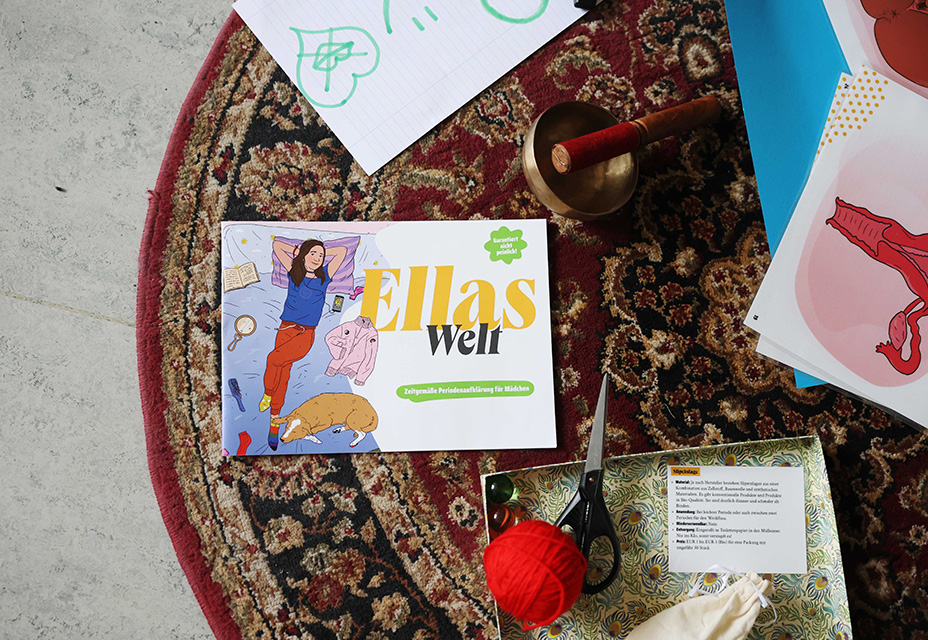
In Germany, one in five girls doesn’t know what’s happening to her when she gets her first period. Drawing on what we’ve learned about period education in other world regions, we developed a solution for Germany: “Ellas Welt”. Since 2026, a Guide for boys is available, too.